What are the features that home buyers are willing to pay extra for?
Recent market data shows homes with resilient, modern updates, flood resistance, updated infrastructure, and energy-efficient design, are commanding a premium of around 12% in today's Asheville market. That's a meaningful number in a market where overall prices have actually softened slightly over the past year. Here are the five features behind that premium, and why buyers are willing to pay more for them right now.
Asheville's market has cooled slightly over the past year, average prices are down modestly, and homes are taking a bit longer to sell than they did during the peak years. But inside that broader trend, a smaller story is playing out: certain features are holding, and even commanding a premium, while the rest of the market softens around them. Here's what's actually driving that.
1. Resilient, storm-ready infrastructure
This is the headline number: homes updated with flood-resistant construction, modern drainage, and resilient infrastructure are commanding roughly a 12% premium over comparable homes without those updates. In a region still shaped by the memory of Tropical Storm Helene, this isn't a hypothetical concern for buyers, it's one of the first questions many are now asking before they even schedule a showing.
2. Long-range mountain views
Mountain views remain the single most-requested feature among luxury buyers in this market. It's not a new trend, but it hasn't faded either, if anything, it's become more of a baseline expectation at the luxury price point than a bonus. Homes with genuine long-range, year-round views continue to command more attention and stronger offers than comparable homes without them.
3. Gated community access
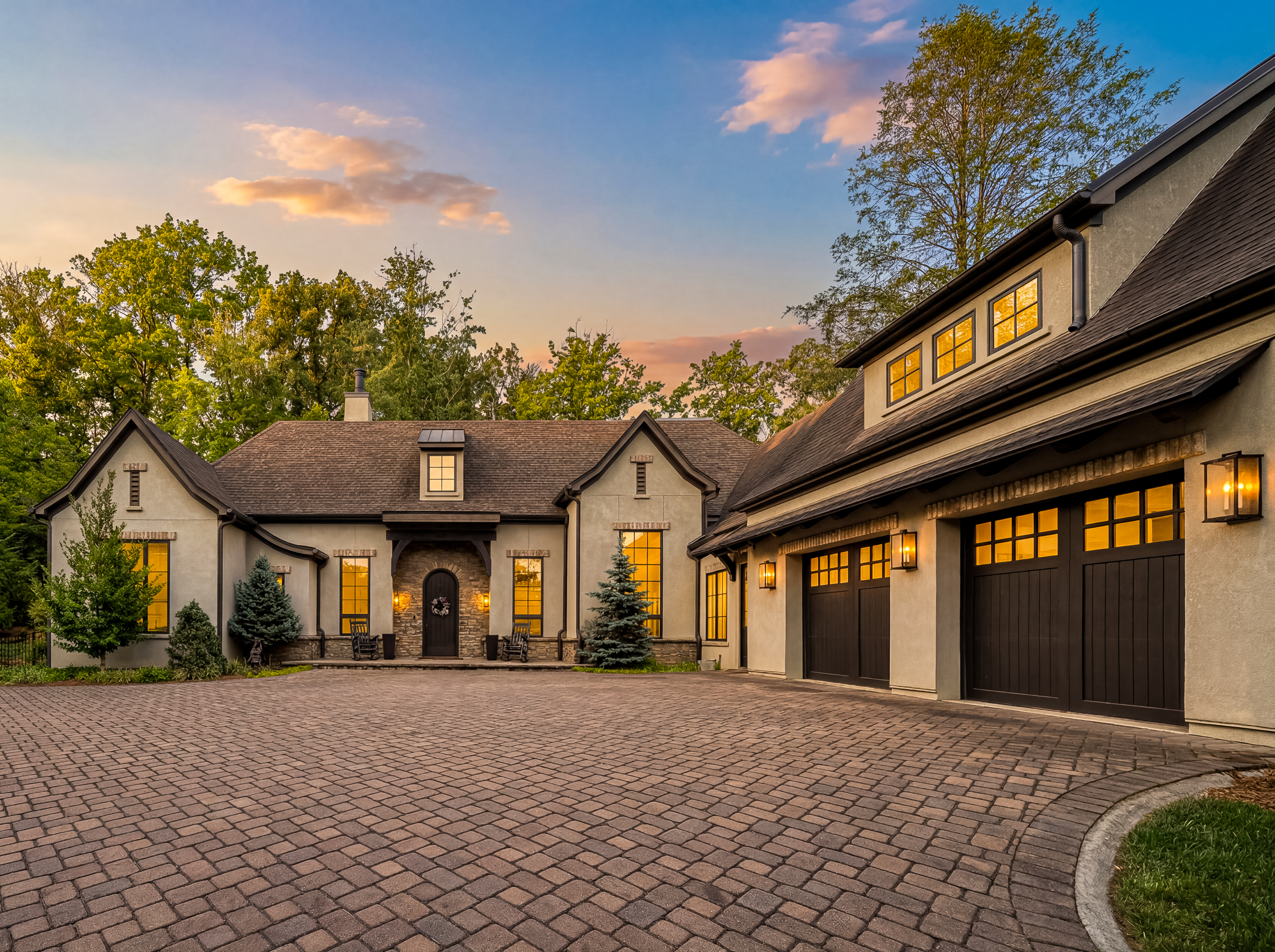
Buyers researching Asheville's luxury market consistently search for specific gated communities by name, The Ramble, Reynolds Mountain, Sovereign Oaks, Biltmore Forest, Biltmore Park, Southcliff, and The Cliffs at Walnut Cove among them. The appeal isn't just privacy, it's the combination of security, consistent architectural standards, and shared amenities that buyers increasingly expect to come bundled with a serious luxury purchase.
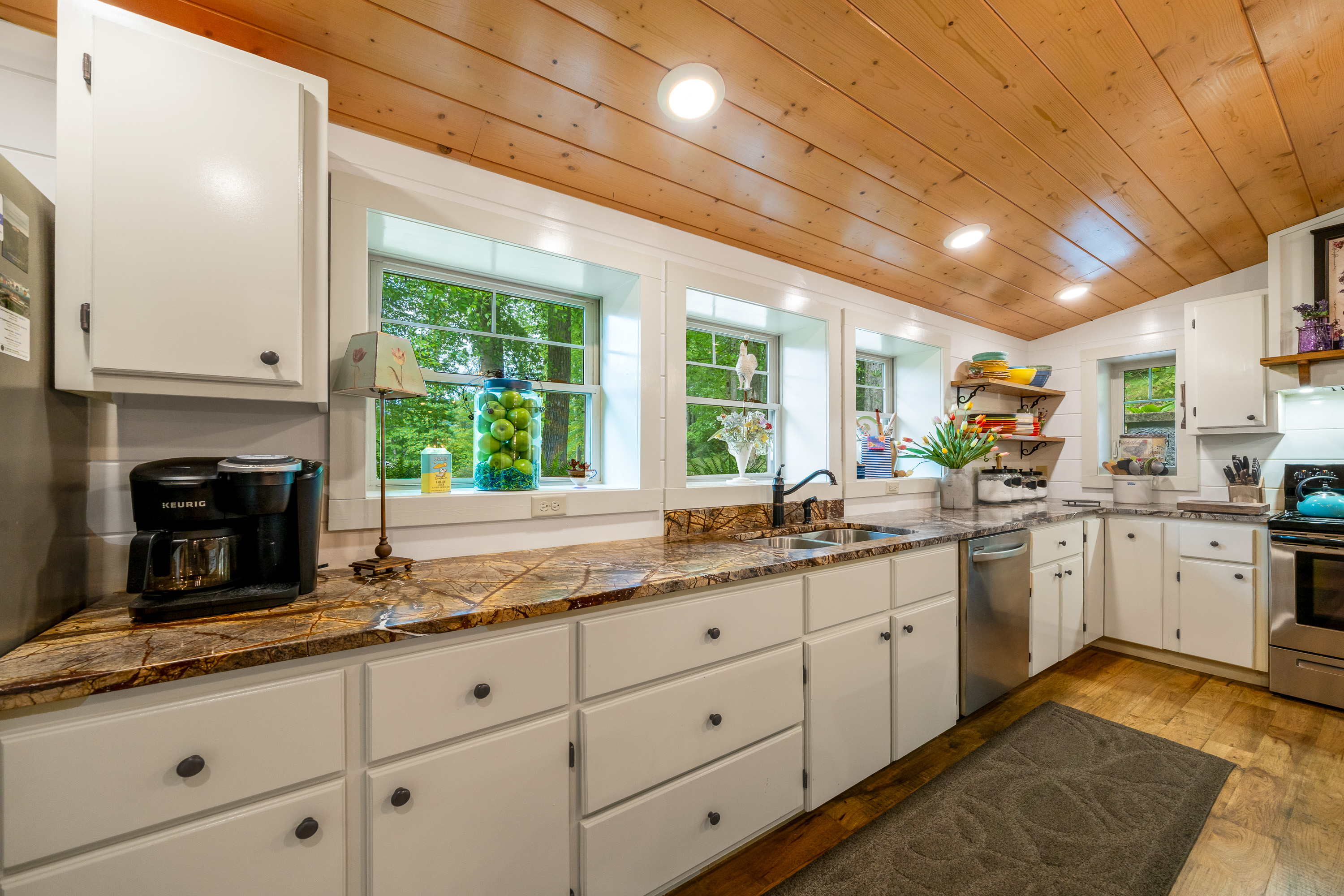
4. Updated kitchens and baths, done the right way
This one comes with a caveat worth repeating from earlier posts: it's not about a full renovation. It's about targeted, well-chosen updates, the right tile, updated hardware, finishes chosen for longevity rather than trend. Homes with kitchens and baths that read as current, without needing a full remodel to get there, are outperforming homes that haven't been touched in a decade.
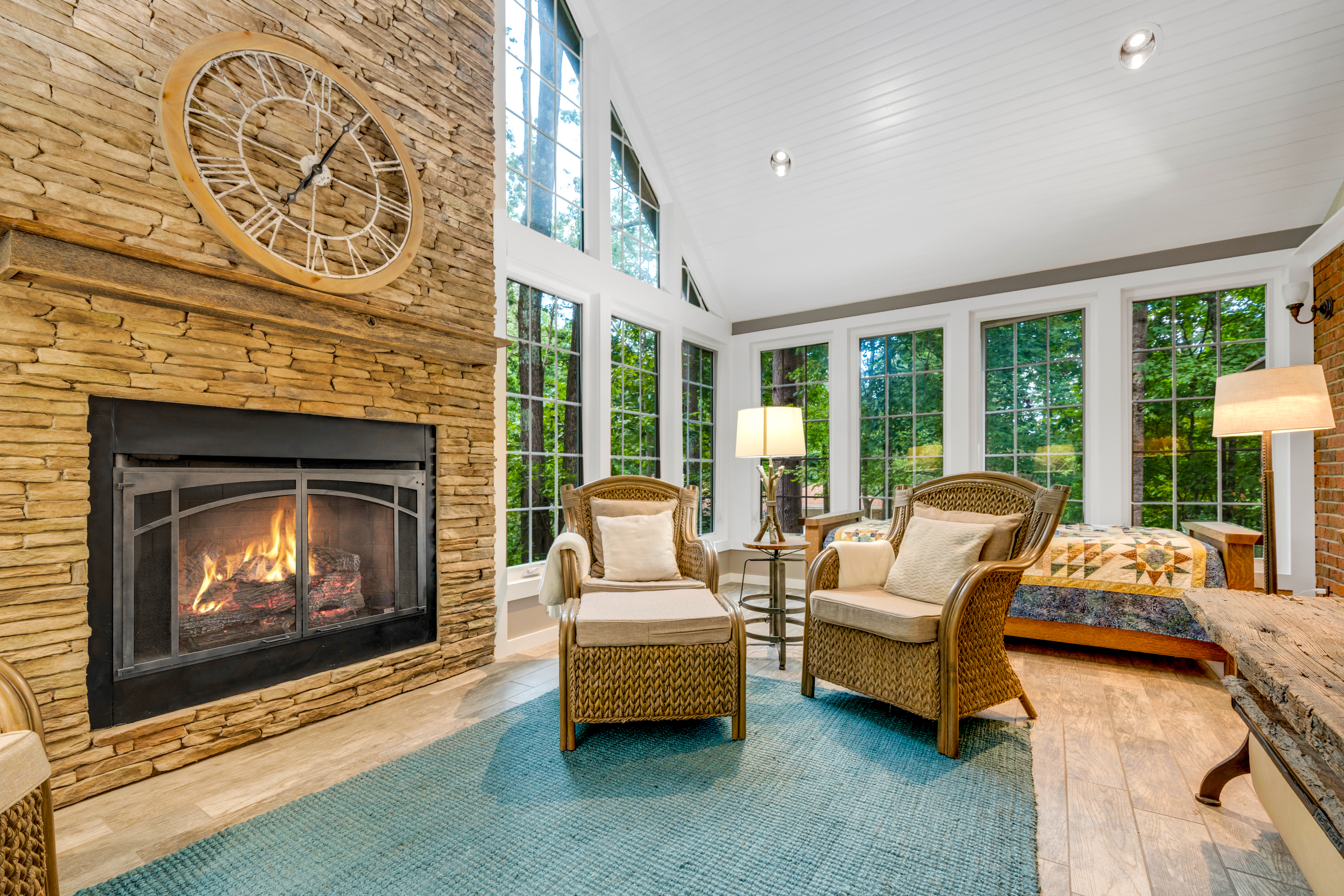
5. Real outdoor living space
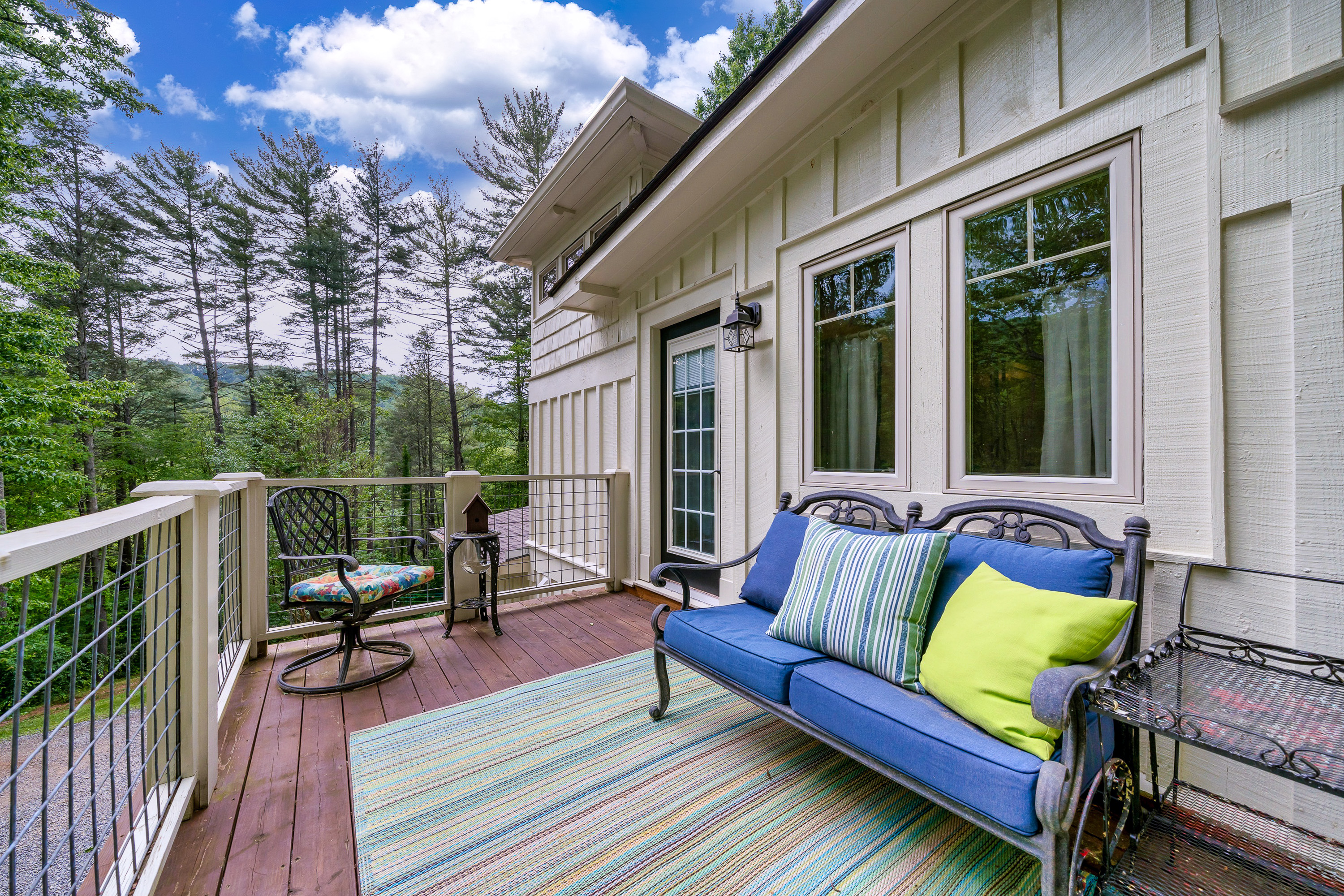
The amenities buyers are asking for now have shifted. Formal dining rooms and home theaters are asked for far less often than they used to be. What's replaced them: genuine outdoor living space, covered porches, usable patios, and a real connection to the property's natural surroundings. In a market known for its access to the outdoors, a home that treats outdoor space as an afterthought is leaving value on the table.
Frequently asked questions
Do storm-resilient updates really add value to a home in Asheville? Recent market data suggests yes, homes with flood-resistant construction and resilient infrastructure are commanding a premium of around 12% over comparable homes without those updates.
Are mountain views still worth a premium in today's market? Yes. Long-range mountain views remain the most-requested feature among luxury buyers in this market, even as other parts of the market have cooled.
Do I need a full kitchen remodel to compete in today's market? No. Targeted, well-chosen updates, paint, hardware, the right tile, tend to outperform homes with no updates at all, without requiring the cost or timeline of a full renovation.
What outdoor features do buyers want most right now? Genuine usable outdoor living space, covered porches, patios, and a real connection to the natural surroundings, has become a bigger priority than formal indoor entertaining spaces.
Thinking about what your own home might be worth?
Every property is different, and not every feature on this list applies to every home the same way. Contact us to talk through what actually makes sense for yours, or learn more about the Asheville market if you're planning your next move alongside a sale.


.jpg)
.jpg)