What Luxury Buyers Are Actually Asking For in 2026
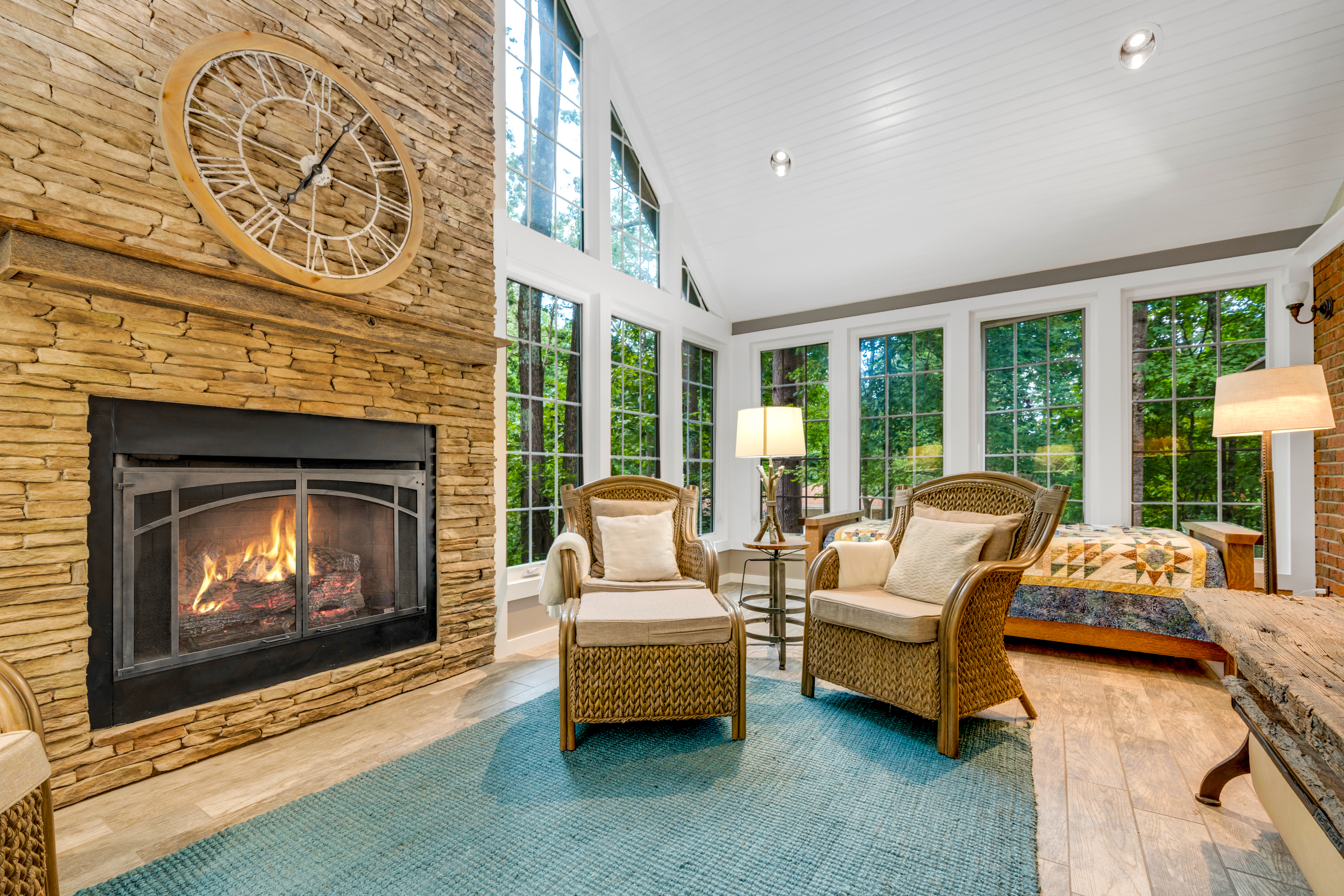
In 2026, luxury home design is shifting away from the cold, stark minimalism of the past decade toward warmer, more personal spaces built around wellness, natural materials, and craftsmanship. The defining trends include warm neutrals and organic textures replacing all-white interiors, wellness spaces expanding well beyond the primary bathroom, nature-integrated architecture, statement ceilings and flooring, and an overall preference for restraint and quality over trend-chasing flash. For buyers, sellers, and anyone building new construction, understanding these shifts matters for both livability and resale value.
I spend a fair amount of time in design centers walking through finish selections with clients, and the questions I'm getting in 2026 are noticeably different from even two or three years ago. Here's what's actually changing, and what it means if you're building, renovating, or getting a home ready to sell.
Warmth is replacing cold minimalism
The stark white kitchens and cool gray everything that defined the last decade are fading. In their place: warm neutrals, sandstone and stucco textures, caramel-toned woods, and furniture with real patina rather than a factory-fresh finish. The clean lines of minimalism haven't disappeared, but they've softened. Buyers want spaces that feel lived-in and personal, not like a showroom.
Wellness has moved beyond the bathroom
A nice primary bathroom used to be the extent of "wellness" in a luxury home. Not anymore. Spa-style bathrooms with steam showers, soaking tubs, and natural stone are close to standard now, and some buyers are asking for entire wellness rooms or wings, spaces built specifically for mindfulness, movement, or recovery, separate from the rest of the home's daily function.
Nature is becoming part of the architecture
Biophilic design, building with and around nature rather than just landscaping next to it, is showing up more seriously in 2026. That means indoor gardens, homes designed around an existing tree or rock formation instead of clearing it, and a general blurring of the line between indoor and outdoor living space. This one tends to resonate especially well in a market like ours, where the whole draw of living here is the landscape itself.
Ceilings and floors are the new focal point
Accent walls had their moment. In 2026, the attention has shifted up and down. Sculptural lighting, wood inlay ceilings, and even digital art installations overhead are becoming genuine conversation pieces, and floors are getting the same treatment with inlaid marble, artisanal terrazzo, and other statement materials that turn every room into more than just a backdrop.
Quiet luxury: craftsmanship over flash
Maybe the most important shift underneath all of this: luxury buyers in 2026 are prioritizing quality and longevity over anything that reads as trend-driven or disposable. Natural materials, real craftsmanship, and design choices that will still feel right in fifteen years are winning out over whatever's simply popular this season.
What this means for Asheville buyers and sellers
If you're building new construction, these trends are worth discussing early with your builder and designer, since decisions like ceiling treatments and wellness space allocation are much harder (and more expensive) to add after the fact than to plan for from the start. If you're preparing to sell an existing luxury home, it's worth an honest look at whether your finishes read as dated cool-modern versus the warmer direction buyers are gravitating toward now, small updates in lighting, hardware, or paint tone can shift that perception without a full renovation. And if you're buying, these trends are a useful lens for evaluating whether a home's existing finishes will feel timeless or feel like a snapshot of 2018.
Frequently asked questions
What is the biggest luxury home design trend in 2026? The overall shift is toward warmth and personalization, replacing the cool, stark minimalism of recent years with warm neutrals, natural materials, and craftsmanship-driven details.
Are all-white kitchens still popular in luxury homes? The stark, all-white kitchen trend is fading in 2026, replaced by warmer tones, natural materials, and more layered, personal design choices.
What is biophilic design? Biophilic design integrates nature directly into a home's architecture, through elements like indoor gardens, natural materials, and building around existing natural features like trees or rock formations, rather than treating nature as separate from the structure.
Do luxury design trends affect resale value? Yes. Homes with dated finishes, particularly the cool, stark styles popular several years ago, can read as less appealing to buyers who are now drawn to warmer, more personal design. Updating key finishes can meaningfully affect how a home is perceived on the market.
Should I follow design trends when building a custom luxury home? Trends are useful as a signal of what buyers currently value, but the strongest approach is choosing quality, timeless materials and craftsmanship over chasing any single trend, since that's ultimately what holds up over time both for livability and resale.
Building, renovating, or preparing to sell a luxury home in Asheville?
Whether you're planning new construction or getting an existing home ready for the market, understanding what today's luxury buyers actually want makes a real difference. Contact us to talk through your specific situation, or learn more about Asheville if you're exploring the area.